By Raghad Genina
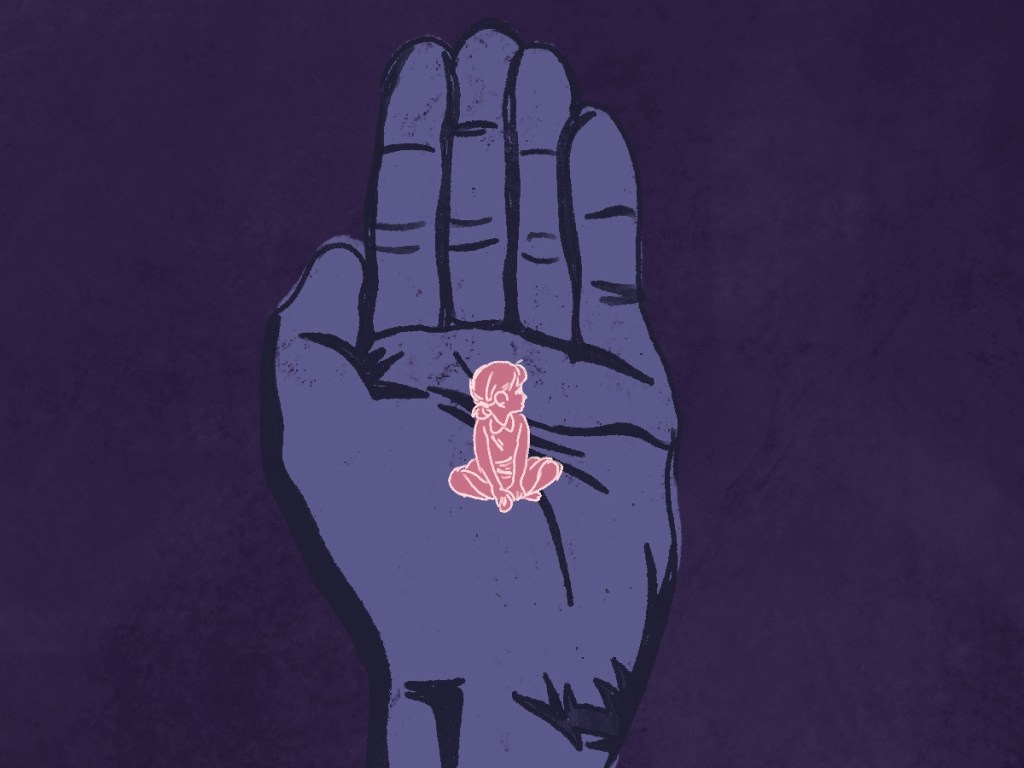
Across cultures and generations, the influence parents have on their children affects them for as long as they live, casting a shadow over them. This influence can especially be seen in immigrant families and households, where parents often carry the weight of their cultural heritage, alongside their dreams and hopes for their children to succeed in this new and unfamiliar space. The pressures that come with parents’ desires for their children to be and do their best at all times translate into pressures that are difficult to escape. Although it comes from a place of love and sacrifice, it shapes the child’s identity and self-worth, leaving a lasting impact.
The expectations of parents weigh on people differently, whether it is the eldest daughter burdened with the pressure of becoming an adult too soon or a son pushed to be the best he can, despite the passions he wants to follow.
Children of first-generation immigrants often struggle to balance the pursuit of academic success and social recognition with the responsibility of upholding cultural and traditional values. Parental expectations are a guiding force but also a burden, shaping who we are in profound ways.
As adults, this guilt can shift into a fear of taking risks, feelings that you are not enough, or even the inability to make decisions because you are taught that every choice you make can impact your future. This struggle to keep up with expectations is universal yet also complex and different for each individual. In Khaled Hosseini’s emotionally gripping book, The Kite Runner, the author illustrates how parental influence can profoundly shape a child’s identity and self-worth.
The two main characters, Amir and Hassan, have completely different upbringings. Amir was raised by his father, who is an influential figure in their community but is also emotionally unavailable. While Hassan is a servant boy raised by his loving and caring father. The complexities of parental influence, its power to nurture, and its potential to harm are both explored throughout the book.
“I could step into that alley, stand up for Hassan—the way he’d stood up for me all those times in the past—or I could run. In the end, I ran.”
This moment in the book reveals Amir’s internal conflict, shaped by his upbringing. His privileged yet emotionally distant upbringing made him accustomed to self-preservation and selfishness. Amir’s failure to defend Hassan reveals the moral flaws he has carried since childhood into his adult life. His father’s emotional negligence and high expectations made him feel unworthy and insecure, contributing to his betrayal of Hassan.
“For you, a thousand times over.”
Said by Hassan, displaying his unwavering loyalty to Amir despite the power and class imbalance in their friendship. This also contrasts with the way Amir has treated him in the past. Hassan’s father instilled in him the values of humility, love and devotion, which shaped him into a selfless and courageous man. One can link Hassan’s selflessness and Amir’s struggles to the values ingrained in them during their childhood and formative years.
The contrasting differences between Hassan and Amir’s upbringing resonate deeply with many children who struggle with familial influence. Like Amir, some feel the weight of the unspoken demands to succeed, not only for themselves but to honour their parents’ sacrifices. However, like Hassan, many people are also positively influenced by their parents’ values of loyalty and resilience, which they carried with them when relocating to a new country.
The lasting impact of familial influence is clear: it not only shapes who we are but how we navigate the world. Amir’s privileged yet emotionally distant upbringing left him with guilt and insecurity, just like how many children of immigrants have struggled with feelings of guilt when they have fallen short of their parents’ expectations.
It’s natural for people to view parental expectations as daunting, as it can feel overwhelming at times. That being said, they can also serve a constructive purpose. It can motivate you to grow into someone you can both be proud of. Parents’ desire for you to succeed extends beyond themselves; they want you to achieve these goals because they believe in the person you can become. The love, guilt, and ambition carried by the children of immigrants are echoes of their parents’ dreams and sacrifices—a testament to the faith they once lived for but could not fully reach. Just as Amir and Hassan in The Kite Runner, people take what they are given, but what they do with it is what truly matters.

 Riadh Magazine
Leave a comment